
Most homeowners think about their roof’s age in years. But roofing professionals often think about roofs in terms of the storms they’ve endured.
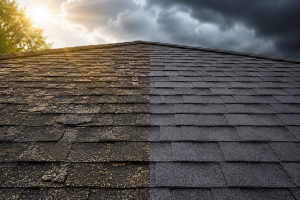
A 10-year-old roof that has weathered multiple hailstorms, 70+ mph winds, and extreme temperature swings may be under more stress than a 20-year-old roof in a milder climate.
The Midwest Roof Challenge
Living in Kansas, Missouri, and Nebraska means your roof faces:
- Hail
- High winds
- Heavy rain
- Snow and ice
- Extreme heat
- Rapid temperature changes
Each event causes wear and tear that may not be visible from the ground.
What Happens During Every Storm?
Explain:
- Granule loss
- Seal strip weakening
- Nail movement
- Flashing expansion/contraction
- Wind uplift
- UV deterioration
Why Age Isn’t the Whole Story
Compare:
- 15-year-old roof in Arizona
- 15-year-old roof in Kansas
Same age. Very different condition.
Signs Your Roof May Be “Older” Than Its Actual Age
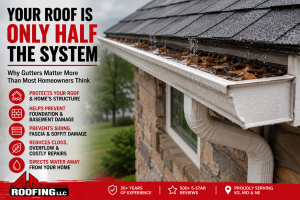
- Granules in gutters
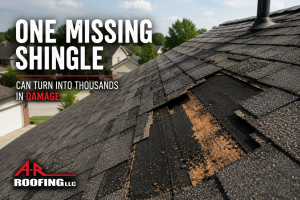
- Loose shingles
- Lifted tabs
- Missing seal strips
- Interior leaks
- Increased energy bills
Protecting Your Investment
- Annual inspections
- Post-storm inspections
- Small repairs before they become major issues
- Proper attic ventilation
Conclusion
Your roof’s birthday isn’t always the best indicator of its condition. The real question is: how many storms has it survived?
A professional inspection can help determine whether your roof still has years of life remaining—or if unseen storm wear is beginning to take its toll.
.