By A-R Roofing | Trusted. Local. Since 1995.
When a storm rolls through Kansas, Missouri, or Nebraska, many homeowners assume their insurance will automatically cover any roof damage.
Unfortunately, that is not always the case.
Roof insurance claims can be delayed, reduced, or denied for several reasons. Sometimes the issue is the policy itself. Sometimes it is the timing. Sometimes it comes down to missing documentation or damage that was not inspected soon enough.
At A-R Roofing, we do not handle, negotiate, or interpret insurance claims. That is between the homeowner and the insurance provider. But after 30+ years in the roofing industry, we have seen the same avoidable problems come up again and again.
Here are some of the most common reasons roof insurance claims run into trouble, and what homeowners can do to stay ahead of them.
1. Waiting Too Long After a Storm
After a major hail or wind event, it is easy to put roof concerns on the back burner. If there is no active leak, no missing shingles in the yard, and everything looks fine from the ground, many homeowners assume there is nothing to worry about.
The problem is that roof damage is not always obvious right away.
Hail can bruise shingles. Wind can lift or loosen materials. Flashing, vents, gutters, and roof edges can be affected without creating an immediate leak inside the home.
Waiting too long can create two problems:
First, many insurance policies include time-related requirements for reporting damage. Those requirements can vary by policy and insurance provider.
Second, the longer damage sits, the harder it may be to connect the condition of the roof to one specific storm event. If additional weather, wear, or leaks occur later, it can become more difficult to determine what happened and when.
What helps:
Schedule a professional roof inspection after severe weather, even if the roof looks fine from the ground.
A timely inspection gives you a clearer picture of your roof’s condition and creates a record of what was found shortly after the storm.
2. Skipping a Professional Roof Inspection
One of the most common mistakes homeowners make is assuming they can spot roof damage from the driveway.
Some damage is easy to see. Missing shingles, tree damage, torn gutters, or water coming through the ceiling are obvious signs that something is wrong.
But many roofing problems are more subtle.
A trained roofing professional may look for things like:
- Hail impact marks on shingles or metal components
- Lifted, creased, or loosened shingles
- Damage around vents, flashing, ridge caps, and roof edges
- Soft spots or signs of moisture intrusion
- Granule loss that may not be obvious from the ground
- Gutter, siding, or accessory damage that may point to storm impact
Without a proper inspection, homeowners may not fully understand the condition of the roof before deciding what to do next.
What helps:
Have a qualified roofing contractor inspect the roof and provide clear findings.
At A-R Roofing, our inspections are designed to help homeowners understand what is happening on the roof. We look for visible damage, document what we see, and explain the condition in plain language.
We do not decide coverage. We do not approve or deny claims. We simply provide a professional roof inspection so you can make informed decisions.
3. Not Documenting Damage Clearly
Documentation matters.
When roof damage is involved, it is helpful to have a clear record of what was found, when it was found, and what areas of the home were affected.
Without photos, inspection notes, dates, or a timeline, it can be harder to explain the condition of the roof later. This is especially true if multiple storms have passed through the area, if leaks developed over time, or if repairs were delayed.
Helpful documentation may include:
- Photos of roof damage
- Photos of gutters, downspouts, siding, windows, or exterior damage
- Interior photos if there are leaks or ceiling stains
- The date of the storm or weather event, if known
- The date damage was first noticed
- Inspection notes from a roofing professional
- Copies of estimates, repair recommendations, or maintenance records
- Any communication with your insurance provider
Even small details can help create a clearer picture.
For example, if a homeowner notices water stains after a storm but waits several months to inspect the roof, it may be harder to determine when the problem started. A documented inspection shortly after the storm can help show what the roof looked like at that point in time.
What helps:
Keep a simple folder with photos, dates, notes, and inspection records.
You do not need to overcomplicate it. The goal is to create a clear timeline and keep all roof-related information in one place.
4. Choosing an Inexperienced or Out-of-Area Contractor
After major storms, it is common for out-of-town contractors to move into an area quickly.
Some may be reputable. Others may not have local experience, established crews, or a long-term presence in the community.
That can create problems for homeowners.
A contractor who is unfamiliar with the area may not understand local weather patterns, common roofing systems, permit expectations, or manufacturer requirements. They may also be harder to reach later if a workmanship issue comes up.
Poor workmanship, incomplete documentation, missed damage, or lack of communication can all make an already stressful situation more complicated.
What helps:
Work with a local, established roofing contractor.
A local company understands the types of storm damage common in the area and has a reputation to maintain long after the storm has passed.
A-R Roofing has served homeowners since 1995. Our team knows the region, understands local roofing needs, and is here for the long run, not just after the latest storm.
5. Not Understanding How Coverage Works
Insurance policies are not all the same.
Coverage can vary based on the policy, the insurance provider, the age and condition of the roof, the type of damage, the deductible, depreciation, exclusions, and other policy terms.
Many homeowners are surprised to learn that two houses on the same street can have different outcomes after the same storm. That does not always mean one claim was handled incorrectly. It may mean the policies, roof conditions, documentation, or claim details were different.
Common policy-related items that may affect a claim include:
- Deductible amount
- Actual cash value versus replacement cost coverage
- Depreciation
- Exclusions or limitations
- Maintenance requirements
- Age and condition of the roof
- Whether the damage is storm-related or wear-related
Roofing contractors do not interpret insurance policies or make coverage decisions. That is the role of the insurance provider.
What helps:
Review your policy and contact your insurance provider with coverage questions.
Before storm season, it can be helpful to understand your deductible, roof coverage, and any time limits or documentation requirements listed in your policy.
If you are unsure what something means, ask your insurance provider directly.
6. Ignoring Small Problems
Small roof issues are easy to overlook.
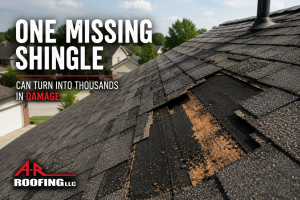
A few missing shingles, minor hail marks, loose flashing, or a small drip may not seem urgent at first. But roof problems often get worse when they are left alone.
A small opening can allow moisture into the roofing system. A lifted shingle can become a missing shingle during the next wind event. Minor damage can turn into interior damage if water finds a path inside.
The longer the problem sits, the more difficult it may be to determine what caused it originally.
What helps:
Address concerns early.
That does not always mean you need a full roof replacement. Sometimes the next step is simply an inspection, a repair recommendation, or a better understanding of the roof’s condition.
The sooner you know what is going on, the easier it is to make the right decision for your home.
7. Making Repairs Before Taking Photos
When damage happens, it is natural to want it fixed quickly.
That is especially true if water is coming into the home or shingles are missing. Emergency repairs may be necessary to protect the property from additional damage.
However, before repairs are made, it is helpful to take photos and keep records whenever it is safe to do so.
If damaged materials are removed before anyone documents them, it may be harder to show what the roof looked like before the repair.
What helps:
Take photos before cleanup or repairs, when safe.
If emergency repairs are needed, keep receipts, photos, and notes about what was done and why.
Safety comes first. Do not climb on the roof yourself. If damage is not safely visible from the ground, contact a roofing professional.
8. Assuming a Roof Is Fine Because There Is No Leak
A roof can be damaged without leaking right away.
That is one of the biggest misunderstandings homeowners have after a storm.
Leaks often show up later, after water has had time to work through layers of the roofing system. In some cases, damage may affect the life of the roof even if there is no immediate water coming into the home.
By the time a ceiling stain appears, the issue may have already been developing for a while.
What helps:
Do not wait for a leak to confirm there is a problem.
If your area experienced hail, high winds, or flying debris, a roof inspection can help identify potential concerns early.
A professional inspection is especially important if neighbors are finding damage, if you see granules collecting near downspouts, or if shingles appear lifted, missing, or out of place.
A Simple Storm Damage Checklist For Homeowners
After severe weather, here is a simple way to stay organized:
- Walk around your property from the ground and look for visible damage.
- Take photos of anything unusual, including shingles, gutters, siding, windows, fences, or debris.
- Write down the date of the storm and when you first noticed damage.
- Check ceilings and attic areas for signs of water, if it is safe to do so.
- Schedule a professional roof inspection.
- Keep inspection notes, photos, and estimates in one place.
- Contact your insurance provider if you have questions about your policy or whether to file a claim.
- Avoid signing anything you do not understand.
- Choose a local, established contractor with a real presence in your area.
- Do not ignore small issues that could become bigger problems later.
This checklist does not replace advice from your insurance provider. It simply helps you stay organized and informed.
Final Thoughts
Roof insurance claims do not usually become complicated for no reason.
In many situations, problems happen because key details are missing, the timeline is unclear, the damage was not inspected early, or the homeowner did not fully understand the next step.
The good news is that many of these issues can be avoided with a proactive approach.
At A-R Roofing, our role is simple:
We provide honest, professional roof inspections and high-quality roofing work so homeowners can make informed decisions about their homes.
We do not handle insurance claims. We do not negotiate with insurance companies. We do not interpret policy language or act as public adjusters.
What we can do is inspect your roof, explain what we see, document visible damage, and help you understand the condition of your roofing system.